Loading…


Loading…
Loading…
Loading…
Eduqas GCSE Religious Studies · C120
Eduqas C120 Check the specification (PDF) (opens in a new tab)
Sikhs distinguish between the physical body and the soul, the spiritual aspect of a person. The body dies, but the soul continues. Death therefore marks a transition rather than the complete end of a person's existence.
The soul passes through samsara, the cycle of birth, death and rebirth. Reincarnation means being born again into another bodily life. Transmigration describes this as the soul passing from one bodily life to another. These terms describe closely connected aspects of the same process, not separate destinations after death.
What happens in one life influences later lives. This is connected to karma: actions have consequences. A person's present life is influenced by previous lives, while their actions now help shape what follows. Belief in rebirth therefore makes conduct in this life important; death does not simply erase the consequences of how someone has lived.
The ultimate Sikh aim is not endless rebirth but mukti, liberation from samsara and reunion with God. Think of samsara as a repeating cycle and mukti as freedom from having to repeat it.
The Guru Granth Sahib is Sikh sacred scripture and the continuing Guru, providing spiritual guidance. On page, or Ang, 13, it teaches:
“You shall not be consigned again to the wheel of reincarnation.”
This supports the belief that liberation from rebirth is possible. The passage connects this freedom with the Guru's guidance and God's presence within the person. It also teaches:
“In this world, earn the profit of the Lord’s Name, and hereafter, you shall dwell in peace.”
The language of ‘profit’ is spiritual rather than financial: the lasting value of life lies in devotion to God. Remembering God's Name, following the Guru's teachings and serving others matter more than merely accumulating possessions. The passage also describes life as diminishing ‘day and night’, encouraging people to use their present life well.
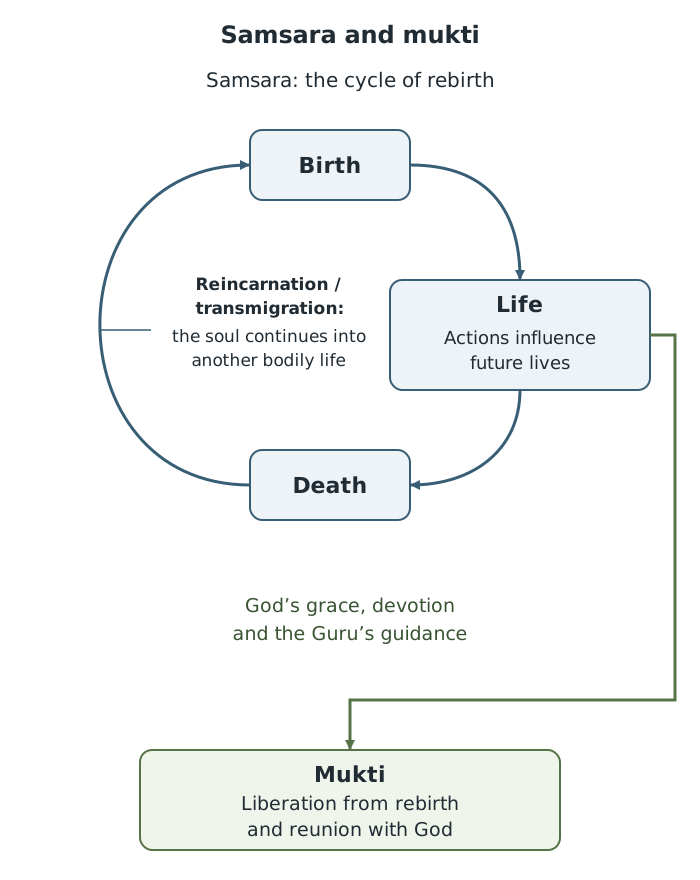
Samsara repeats; mukti means liberation from the cycle, not simply another rebirth.
A Sikh funeral responds to both the death of the body and the family's grief. Belief that the soul continues can offer comfort, but it does not mean that Sikhs feel no sadness or should not mourn.
The coffin may first be taken to the family home so that relatives and friends can pay their respects. It may then be taken to the gurdwara, the Sikh place of worship, where hymns and prayers are offered. Readings from the Guru Granth Sahib direct attention towards God and the Guru's teachings, helping mourners understand death within their faith.
Cremation is usual, with a short service at a crematorium. A child or another family member may press the button that moves the coffin behind the curtain. Cremation deals with the physical body; Sikh belief does not make the continued existence of the soul dependent on preserving that body. However, cremation itself does not bring about mukti: liberation concerns the soul's relationship with God.
The ashes may be scattered in a river or the sea in Britain, or taken to India for scattering. Afterwards, prayers and a shared meal are usually held at the gurdwara. These bring people together and support the bereaved. Families may also listen to further readings from the Guru Granth Sahib during mourning.
White or light colours are commonly worn during mourning, and men and women cover their heads at the funeral. People of other faiths may attend. These customs express respect and community support; the hymns, prayers and scripture express the specifically Sikh understanding of life and death.
Humanists do not believe in a supernatural afterlife. Death ends the person's conscious life, so a funeral focuses on the life they actually lived rather than their soul's future destination.
A Humanist celebrant leads a personal, non-religious ceremony. Tributes recall the person's character, relationships and experiences. Family members or friends may speak, read a poem or play music. Readings and music are chosen because they mattered to the deceased or those close to them, rather than because they form part of religious worship.
There are no communal prayers, hymns as acts of worship, or promises of an afterlife. Instead, a period of quiet reflection allows mourners to remember the person. Religious attendees may use that time for private prayer: a non-religious ceremony need not be hostile to religion.
The person can remain important through memories, relationships and the effects of their actions. This is a continuing legacy, not a claim that their soul or consciousness survives death.
Both Sikh and Humanist funerals honour the deceased, acknowledge grief and support those left behind. Their different beliefs shape how they do this. Sikh worship places death within the soul's journey and the hope of reunion with God. Humanist tributes focus on a completed human life and its lasting significance to others. A funeral can therefore provide meaning and comfort without every mourner sharing the same belief about an afterlife.
Get unlimited access to all revision notes, key terms, and exam tips.
Sikh:
Humanist:
Shared purpose: honour the deceased and support the bereaved. Key difference: the soul's continuing journey versus a completed life remembered through its legacy.
Get unlimited access to all revision notes, key terms, and exam tips.
Link each funeral practice to a belief: explain why it is used, rather than simply listing what happens.
Distinguish samsara, the cycle of rebirth, from mukti, liberation from that cycle.
Use Guru Granth Sahib 13 to support the connection between devotion to God and freedom from reincarnation.
Do not describe Humanist funerals as anti-religious. The ceremony is non-religious, but religious mourners may attend and pray privately.
Use words such as ‘usually’ or ‘may’ for funeral customs: arrangements vary between families.
Soul
The spiritual aspect of a person which, in Sikh belief, continues beyond the death of the body.
Samsara
The cycle of birth, death and rebirth from which Sikhs seek liberation.
Reincarnation
Being born again into another bodily life after death.
Transmigration
The passage of the soul from one bodily life to another.
Karma
Actions and their consequences, which influence a person's present and future lives.
Mukti
Liberation from the cycle of rebirth and reunion with God.
Humanism
A non-religious outlook which emphasises human reason, responsibility and wellbeing rather than belief in God or an afterlife.
Celebrant
A person who leads a ceremony, such as a Humanist funeral.
Put your knowledge into practice — try past paper questions for Religious Studies
Soul
The spiritual aspect of a person which, in Sikh belief, continues beyond the death of the body.
Samsara
The cycle of birth, death and rebirth from which Sikhs seek liberation.
Reincarnation
Being born again into another bodily life after death.
Transmigration
The passage of the soul from one bodily life to another.
Karma
Actions and their consequences, which influence a person's present and future lives.
Mukti
Liberation from the cycle of rebirth and reunion with God.
Humanism
A non-religious outlook which emphasises human reason, responsibility and wellbeing rather than belief in God or an afterlife.
Celebrant
A person who leads a ceremony, such as a Humanist funeral.